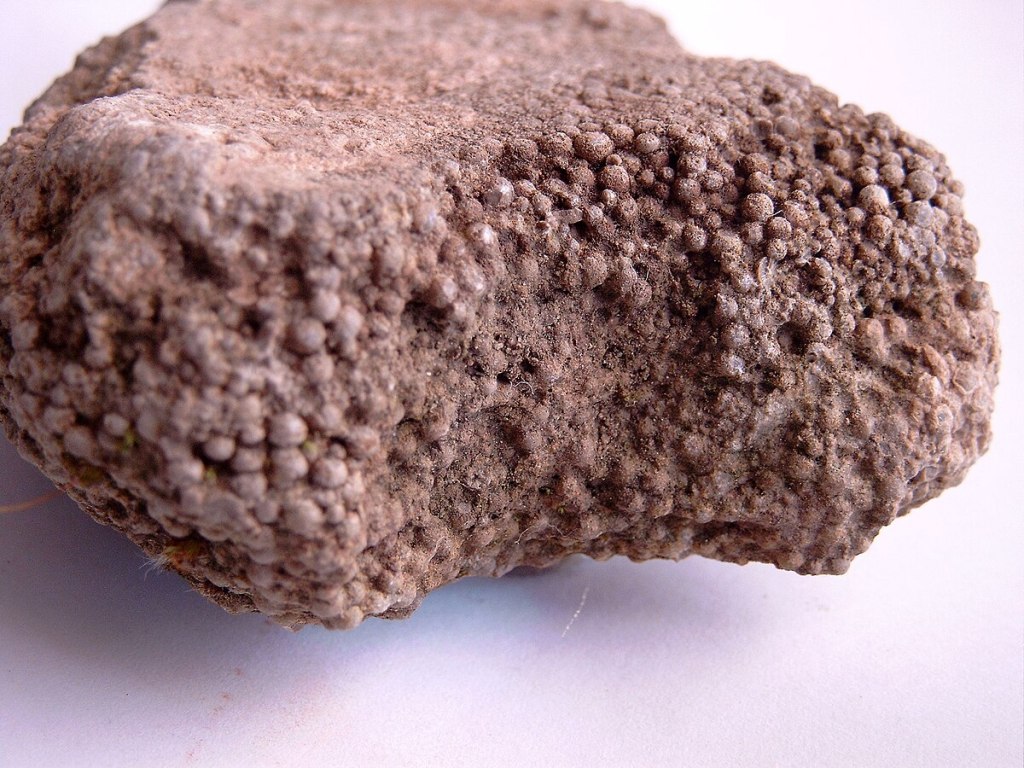
Oak & Oolite may seem like an unusual name, so it deserves an explanation. I am from County Kildare in Ireland and I wanted a name that reflected the land and what it produces. My first idea was Oak & Limestone but it did not feel quite right. A few other names were bandied about, for one, The Oak Table, inspired by the oak table I first learned to cook at.
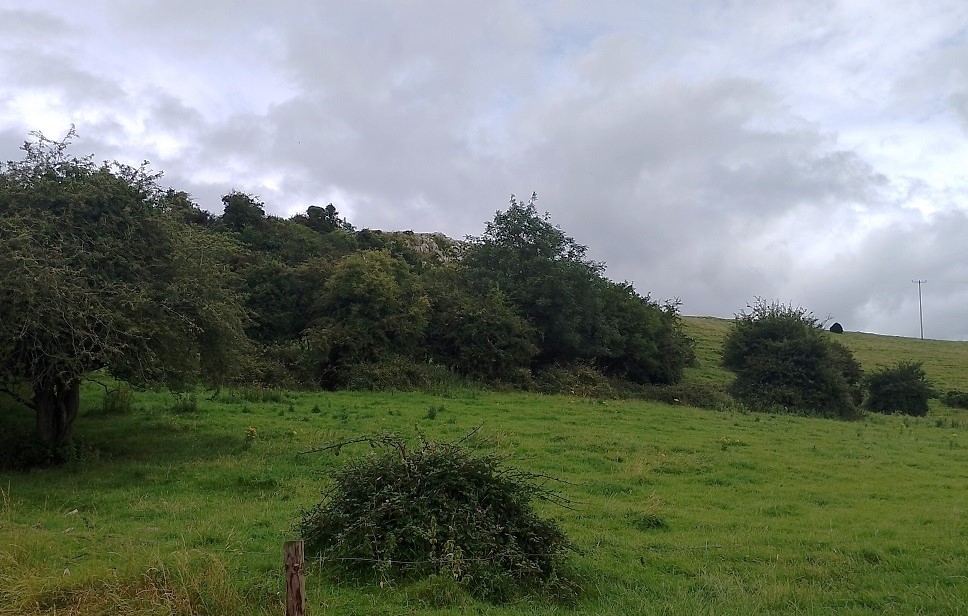
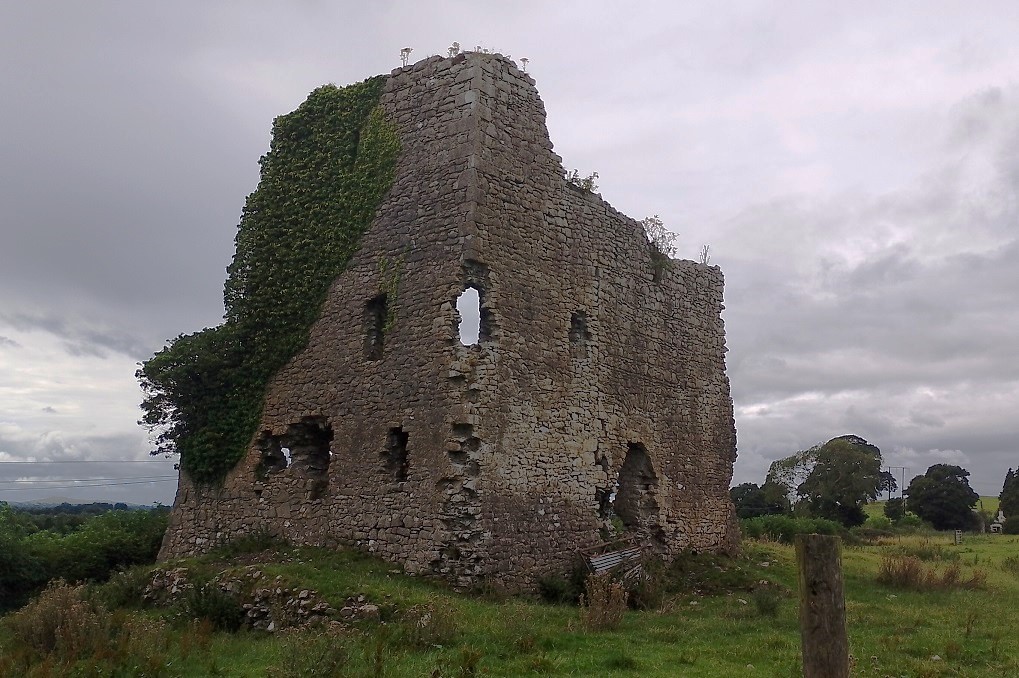
Then, on a walk at Castletown House in Celbridge, I noticed a familiar looking stone in the columns and wondered where the Conollys had sourced it. It turns out the columns were built using oolitic limestone, also known as oolite, from the Edenderry Oolite Formation near Carrickoris Castle in Carrick Hill, Co. Kildare1.
Bingo, name decided!
Below is a short description of both oak and oolite.
The Oak Tree
The Love Story
Wherever I am in the world, hearing the word oak immediately centres me to my homeland. I remember learning about St. Bridget in my primary school classroom and later discovering the origins of the pagan goddess Brigid while at uni. Brigid/ St. Bridget is one of the most important figures in County Kildare and in Irish history and culture.
Kildare county gets its name from the town of the same name. Many Irish place names were phonetically Anglicised during English rule. The Irish Cill Dara means “Church of Oak”. The story is told that St. Bridget founded her 5th century monastery beside a sacred oak tree at Cill Dara. The oak tree, revered in pre-Christian times, symbolised strength and continuity, qualities reflected in Brigid herself, making the oak a lasting emblem of Kildare’s spiritual, natural, and cultural heritage. I will return in February to share more about her story.
The Origins of Oak Trees
Oaks (Quercus species) originated in North America and Asia, with the earliest confirmed fossils — mainly leaves — dating to the early Palaeocene, about 60 million years ago. Fossil wood and pollen indicate that these early oaks thrived in temperate forests long before humans existed.
Over millions of years, oaks spread across the Northern Hemisphere through natural migration. Animals such as squirrels and birds dispersed acorns, while wind carried pollen over long distances. This allowed oaks to reach Europe and western Asia by about 56–50 million years ago, long after they had evolved elsewhere. With the onset of the Holocene (around 11,700 years ago), as glaciers continued to retreat after the last glacial maximum, oaks migrated north from southern Europe and eventually reached England and Ireland.
Ireland today hosts two native oak species: the sessile oak (Quercus petraea), the most common, and the pedunculate oak (Quercus robur). Although oaks did not evolve in Ireland, their natural migration made them a defining feature of the island’s woodlands, shaping both the landscape and human culture for thousands of years.
The Life of an Oak Tree
Every oak begins as a small acorn, germinating when soil, sunlight, and warmth are right. Its first root buries itself in the earth while the shoot reaches for light. In its early years, the oak is vulnerable, slowly growing into a sapling with a stronger trunk and an expanding leafy canopy.
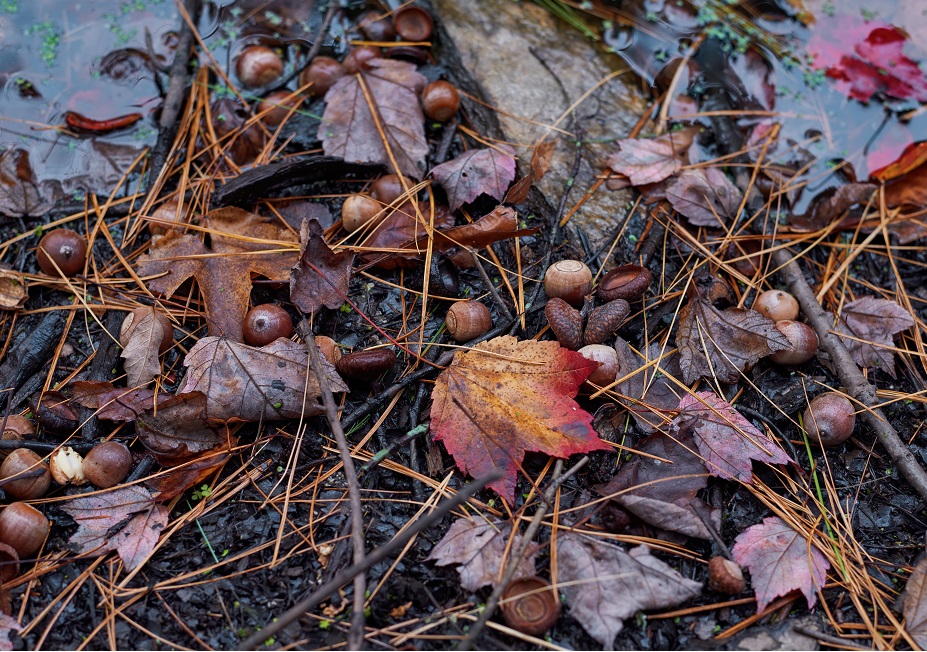
Oaks can live for hundreds of years, producing acorns every autumn for future generations. They provide shelter and food for countless creatures. Their large twisting branches and deep roots are a symbol of strength, continuity, and connection – qualities that have inspired reverence across cultures and landscapes.
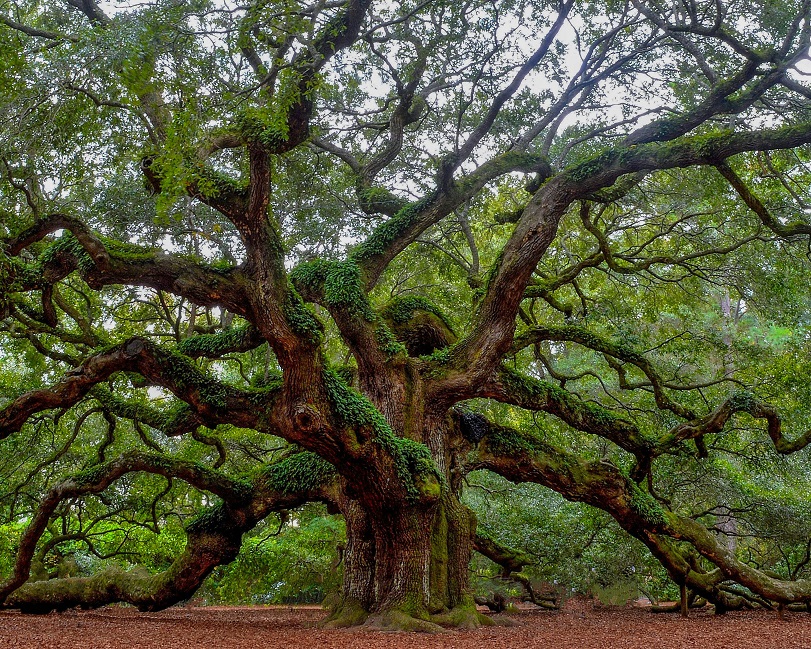
It has an estimated age of 400-500 years old (image)
What is Oolite?
The Love Story
I had never heard of oolite until a few years ago, when I was processing finds from an archaeological site in the Cotswolds in England. We had washed and sorted soil samples from a medieval furnace, and once the samples were processed, the mesh held a collection of salmon-pink stones with small inclusions. At first glance, they looked like heat-affected mortar, but something about them seemed natural rather than man-made. I was curious. I brought them to the Finds Manager, and she immediately identified them, “Oolite – it’s a form of limestone.”2 And there began the fascination. Discovering something entirely new to me was such a delight.
How Oolite is Formed
Oolite, a sedimentary rock, is formed in warm, shallow marine environments, such as tropical seas or lagoons, where water movement could keep particles in motion so calcium carbonate can layer around them. This means that oolite formed in Kildare when Ireland was close to the equator during the Carboniferous period, around 350 million years ago.
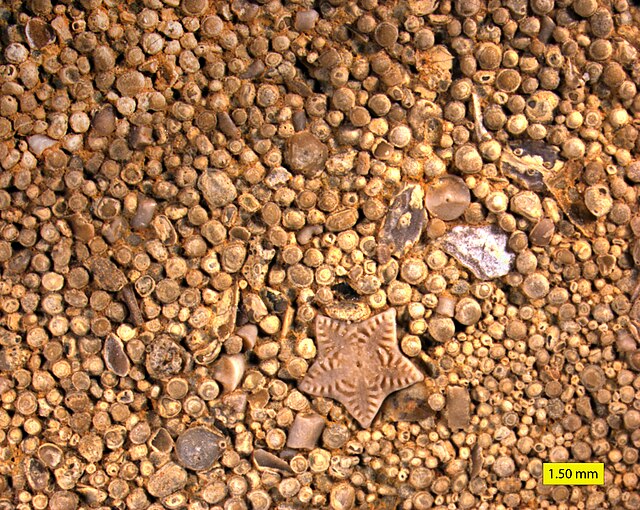
A small nucleus, such as a sand grain or shell fragment, becomes coated with layers of calcium carbonate, gradually building up in concentric rings and forming spherical grains, called ooids (Greek for eggs). These ooids accumulate and are cemented together by additional calcium carbonate, producing a distinctive rock with a “pearled” texture, often pale grey but sometimes coloured by minerals like iron. (See link for thin-section photomicrographs of oolitic limestone).
Where Oolite Occurs
Oolitic limestone occurs worldwide, in places like England, the USA, the Bahamas, Germany, and Australia. In Ireland, it is relatively rare, mainly found in midland Carboniferous deposits such as Offaly, Kildare, Westmeath, Laois, and Meath, with minor occurrences in Tipperary and Mayo.
Limestone is widespread in Co. Kildare, particularly in the central and northern parts of the county. The only confirmed oolitic locality in Kildare is Carrick, in the north-western area close to the border with Offaly.
You can now maybe see why I felt Oolite was the perfect choice as part of the blog name. It forms a striking contrast with oak, which is familiar and widespread. Oolite, by contrast, is rare and distinctive, and not everyone knows what it is – which gives it a deep sense of history within the landscape, and a quiet mystique.
cover image- German oolitic limestone: “Rogenstein from the Heeseberg quarry” by Brudersohn, via Wikimedia Commons, licensed under CC BY‑SA 3.0
- During the summer I drove to the geological site and it looks impressive as does the nearby castle. Both are on private land so permission is required for access to both, but you can see both from the road. ↩︎
- I cannot locate the relevant report but oolite was probably not the main lining of the furnace. Oolitic limestone tends to crack or chip under very high temperatures, so it would rarely be used for furnace walls directly exposed to fire. It is more likely that it was behind or around the furnace and was baked by radiant heat giving it the lovely pink hue. ↩︎
- National Monuments Service (NMS) reference- KD002-009: The castle comprises the remains of a possible late 13th-14th-century hall-house with a later tower attached to the southeast. ↩︎


Leave a comment