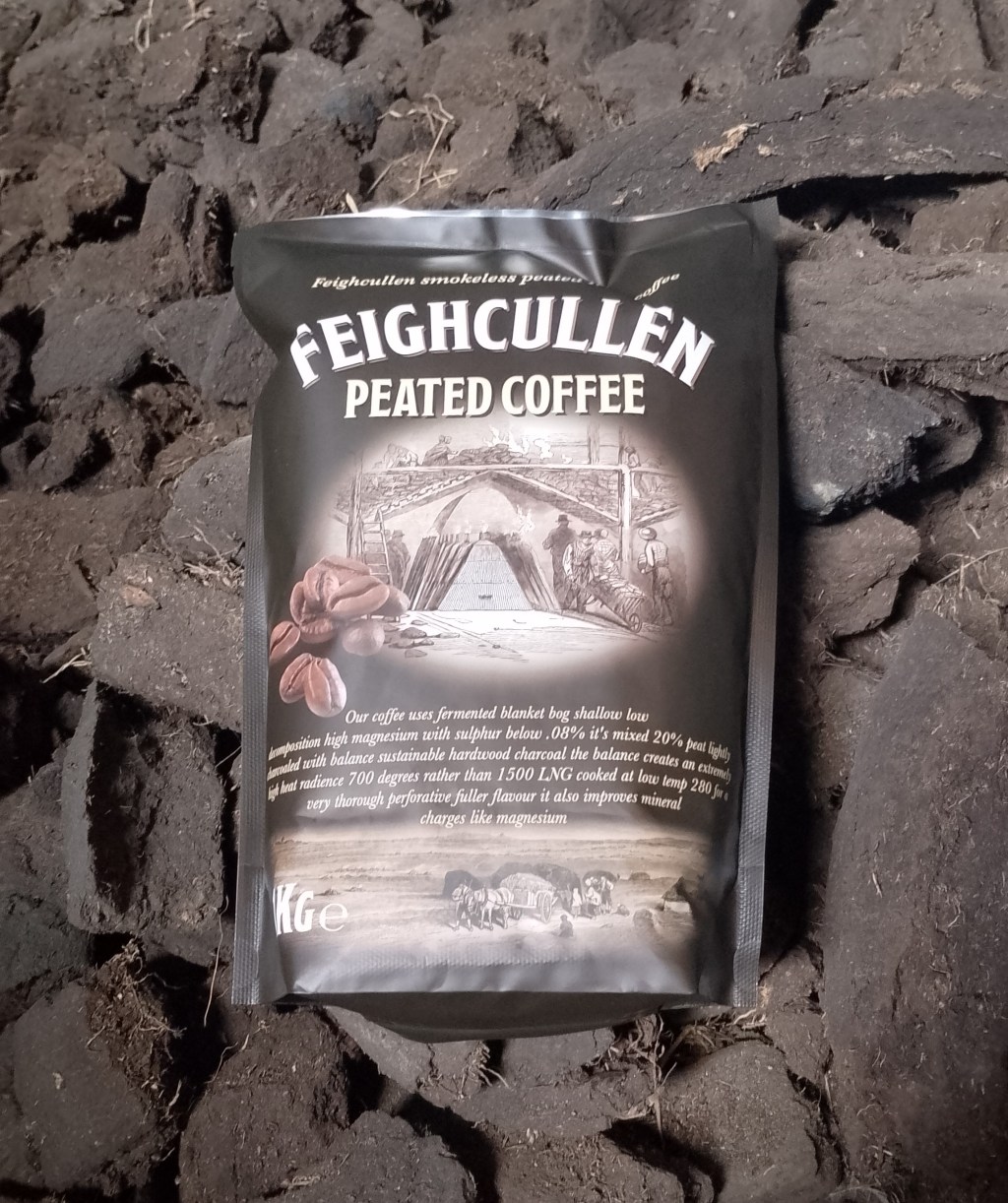
Earlier this month, I had the opportunity to visit a pretty unique coffee bean roastery in County Kildare, Feighcullen Peated Coffee. Set up in 2024 by landowner Richard and his uncle, it really stands out as one of Ireland’s most distinctive roasteries.
Richard, who comes from a farming and hydraulics sales background, sold some of his land to buy the coffee roaster, which now takes pride of place in a former peat shed.
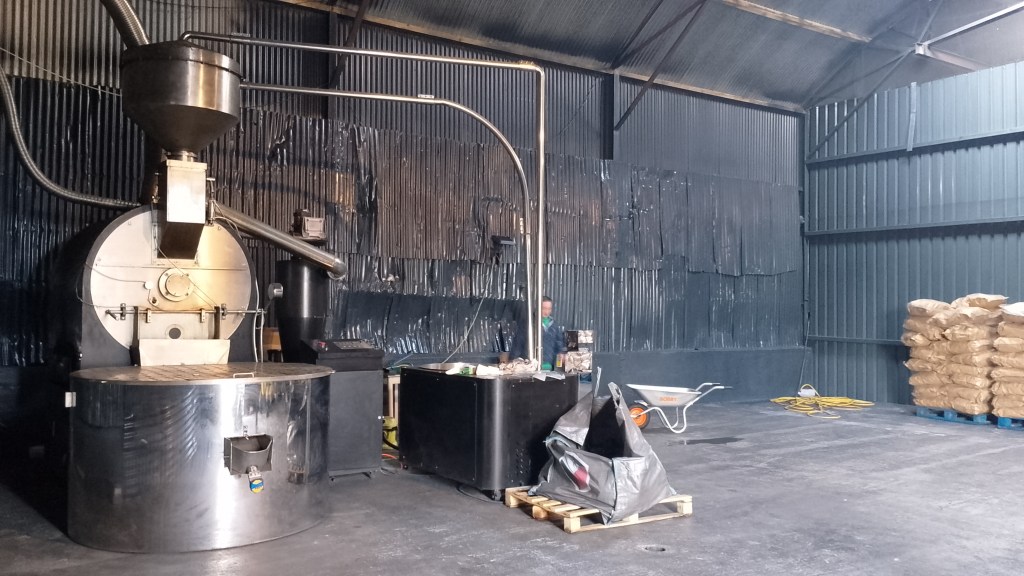
Trials were carried out over the past two years, and it wasn’t until November 2025 that Richard felt he had achieved the perfect roast. Initially, he experimented with Arabica beans, the variety most commonly used in roasteries across the country. However, he wanted to explore the higher-caffeine Robusta beans. Due to their elevated caffeine content, Robusta beans tend to produce a much more bitter flavour than Arabica.
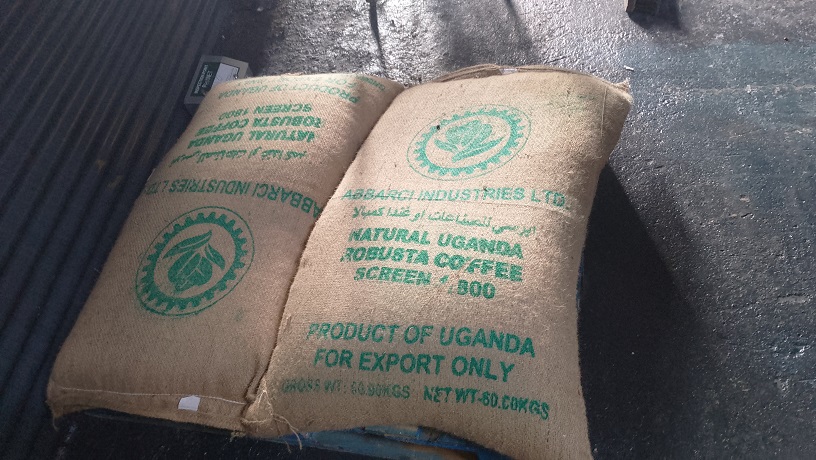
Richard was seeking the depth and strength that Robusta provides, along with its higher serotonin-boosting potential, but he needed to conduct numerous test roasts to develop a more drinkable, richly flavoured coffee.
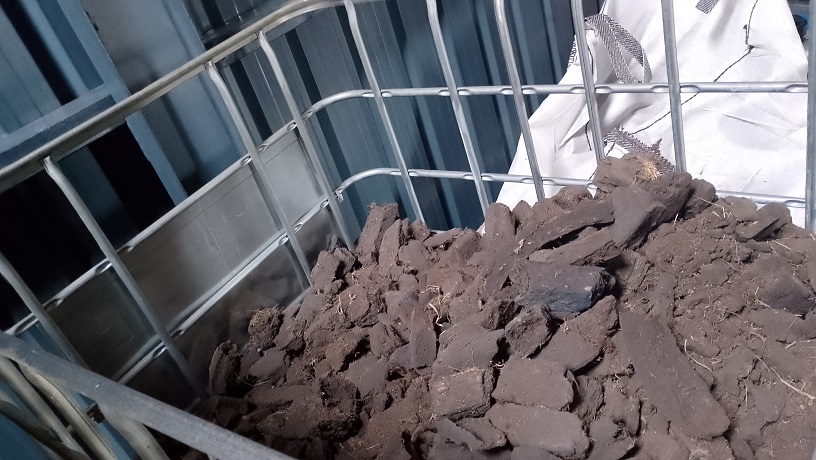
Late last year, Richard felt he had finally perfected the 100% Robusta roast using coffee beans from Uganda. Through his peat-based roasting method, the Robusta loses much of the harsh bitterness people expect, becoming smoother, rounder and more drinkable while keeping its depth and strength – giving you more of a caffeine kick without the jitters.
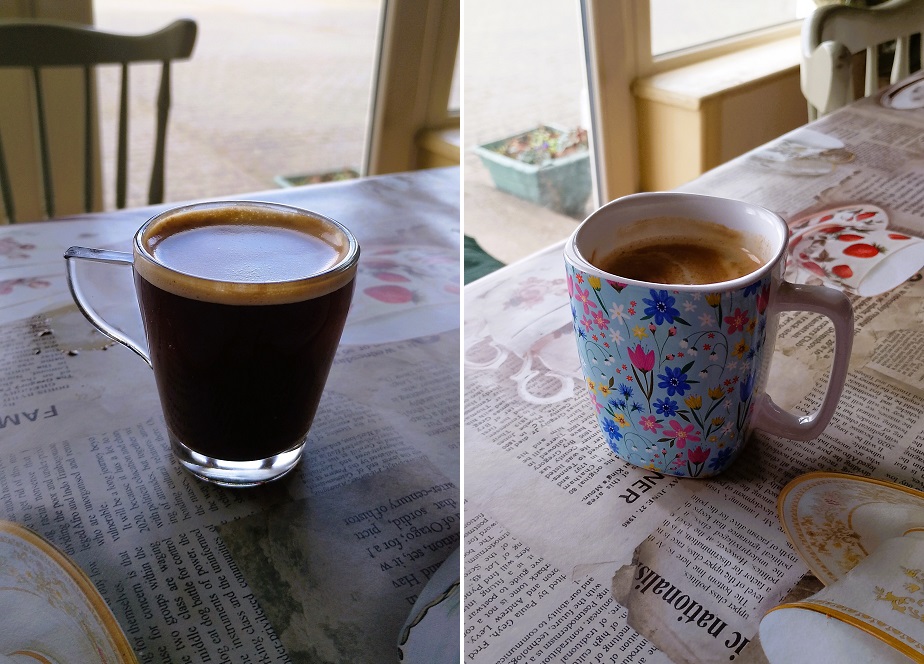
I tried two coffees while I was visiting – an espresso, to really taste the full flavour of the coffee and one served with milk. I have never tasted Robusta before and this method of roasting gave it a pleasant woody and smooth earthy flavour.
Land Talk with Richard
It’s not often I get to sit down with a landowner and discuss the land, so I’ve decided to include this interview segment focussing on that conversation.
Mary: Where are you from, Richard?
Richard: Feighcullen, I grew up around here.
M: What’s your favourite thing about living here?
R: It’s picturesque, paradise!
M: Ha that’s a great description.
R: And rural life, I like the rural life.
M: Do you think rural life is changing?
R: Yes, I think this area is getting a little more tourists than it once did.
M: Oh, for the Hill of Allen and Lullymore (the Heritage & Discovery Park)?
R: I’ve never heard of that park. There are different things here now – Alumni (a local restaurant that’s been selected and recommended by the Michelin Guide), an organic free range poultry farm, and the Bog of Allen Nature Centre. It’s good that it’s more touristy now.
M: Do you use your own land for the peated coffee?
R: No, my land is dry, so I don’t use my own. It’s suitable for forestry or grazing. I get the peat for the coffee from County Mayo and I use soft wood charcoal from Athy. One sod of the turf makes about 600 cups of coffee.
M: Wow, so, it is probably the only coffee that can almost claim an element of Irish terroir, and it’s a Kildare coffee. That’s amazing!
R: Ha, super! Love being an Irish terroir!
M: Ha, tap into that, fella. So, what type of peat do you use?
R: The top of the bog is scorched. It’s not white peat, it’s nitrogen-rich. White peat is very ecologically sensitive. The peat we use is kind of burnt. If you bring this peat back to say pH5 (neutralised) – dark peat – it can be grassed or used again. There is so much land in the country that’s too wet for timber or cattle etcetera. Straw and timber could be composted because with a high wood volume content peat, you can have a high level wood compost in it.
M: Given our recent wetter climate, what do you think could be done with wetlands in the future?
R: I want to see wetland that is moderately peated being composted.
M: And that’d all be an organic process?
R: Yes, it’s just bacteria, maybe using a bit of slurry. It’s the type of peat that would work – a very simple type of peat – high wood or cellulose content. I could see a situation where a bog is emptied and filled on rotation. Waterlogged land could be a high value because it has the ability to compost.
M: But bogs are natural ecosystems, are you suggesting considering other wet, partially peated land to be targeted to make a man-made compost-bed?
R: Yes, land that can hold water and organic material for slow decomposition. Not all land would be suitable for this but the right land could be emptied and filled, waterlogged.
M: That sounds great, thank you for your insight, coffee, and roastery tour today. It’s been fantastic, and am feeling the buzz of the coffee already!
R: You’re welcome, I’m glad you enjoyed it. Ha yes, results!
To try Feighcullen Peated Coffee, visit Richard’s shopify page, and let him know Oak & Oolite sent you 😉 I hope you all enjoy it as much as I did!
Oak & Oolite is now on Instagram, helping you explore County Kildare through coffee, flavour, and place. Come join the journey: @coffeeinkildare


Leave a comment