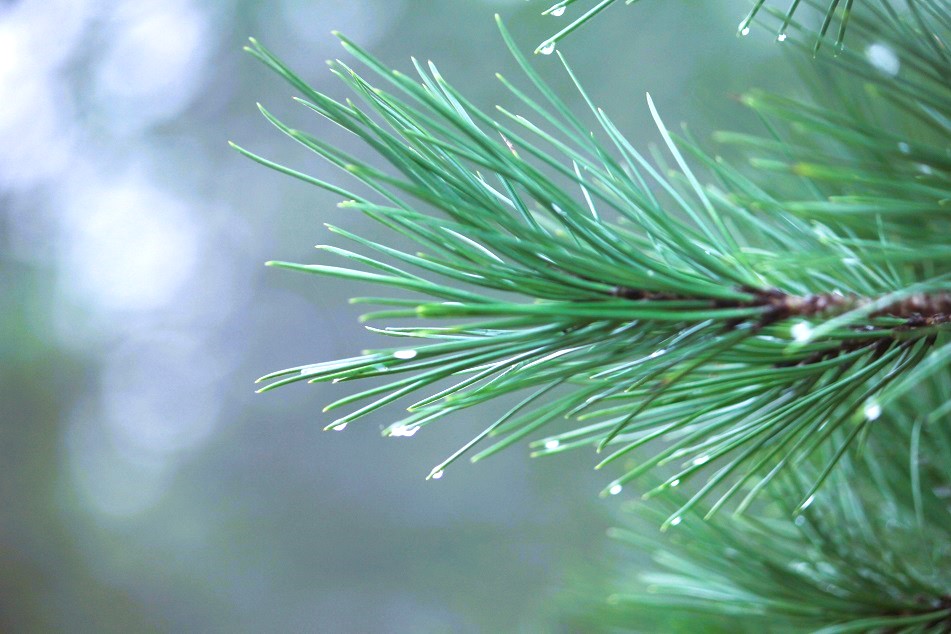
Have you ever walked past your Christmas tree, gotten that lovely pine needle scent, and thought, “Hmm these smell good enough to eat”? Or, is that just me?
Christmas Tree Tea lets you actually enjoy that fresh, evergreen aroma in a cup – made from safe, fresh pine needles and perfect any time of year. But in December, pine needle tea is a unique drink that captures that familiar winter scent and one that’s bound to pleasantly surprise guests. It offers something different from the usual teas and coffees, with a crisp, fragrant flavour everyone will remember.

Why Try Pine Needle Tea?
While not technically or botanically a tea, pine needle tisane1 is fragrant, refreshing, and also packed with nutrients. It’s a rich source of vitamin C, caffeine-free, contains antioxidants, and may support respiratory health and overall wellbeing, bringing both flavour and wellness into your cup.
Pine needles have been enjoyed and valued in many cultures around the world. In Korea, they are brewed into pine needle tea and used in desserts, celebrated for their health-giving properties. In Japan, pine needles are used in teas. Indigenous peoples of North America used pine needle teas to prevent scurvy and soothe colds, while in Scandinavia and parts of Europe, needles flavour syrups, jams, and herbal remedies.
Choose Scots Pine for the Best Christmas Tree Tea
When choosing a Christmas tree for pine needle tea, safety2 comes first. Only use trees that are known to be non-toxic, such as Scots pine (Pinus sylvestris). It is the safest and most traditional choice for consumption. Its needles are safe to brew, aromatic, and flavourful, unlike most other Christmas tree species. Always check with the tree grower to ensure the tree hasn’t been treated with pesticides and, if possible, choose organically or sustainably grown trees for a safer, cleaner tea (and a healthier tree for indoors too).

Although Scots pine isn’t the most common Christmas tree in Ireland, it is still used by some growers and households who favour a more traditional, naturally shaped tree. While most homes opt for Nordmann fir, Noble fir, or Norway spruce, Scots pine stands out for its strong woodland scent, excellent needle retention, and rustic appearance.
If your December is too busy to begin gathering your own pine needles, or you use a different tree, pine needles are available commercially. Following an online search for Irish shops that provide organic products and delivery, I tried West Coast Herbs in Galway, and the tea was lovely – fresh and light. Let us know in the comments if you have tried pine needle tea already!
How to Make Pine Needle Tea
- Choose your needles carefully: Use fresh, young green needles from a Scots pine. Avoid brown, damaged, or treated needles.
- Rinse thoroughly: Gently wash the needles under cold water to remove dust or sap.
- Prepare the tea:
- Infuser teapot: Place 1–2 tsp. of needles per cup of tea in the infuser. If it is your first time, it might be a good idea to start with 1 tsp.
- Saucepan method: Add 1–2 tsp. of needles directly to the hot water. Lightly chopping or bruising the needles can release more flavour.
- Add hot water: Bring water to a gentle boil, then pour over the needles (infuser) or pour hot water into the pot.
- Brew: Cover and let steep for 5–10 minutes, depending on taste preference.
- Strain and serve: Remove the infuser or pour through a fine sieve; and serve.
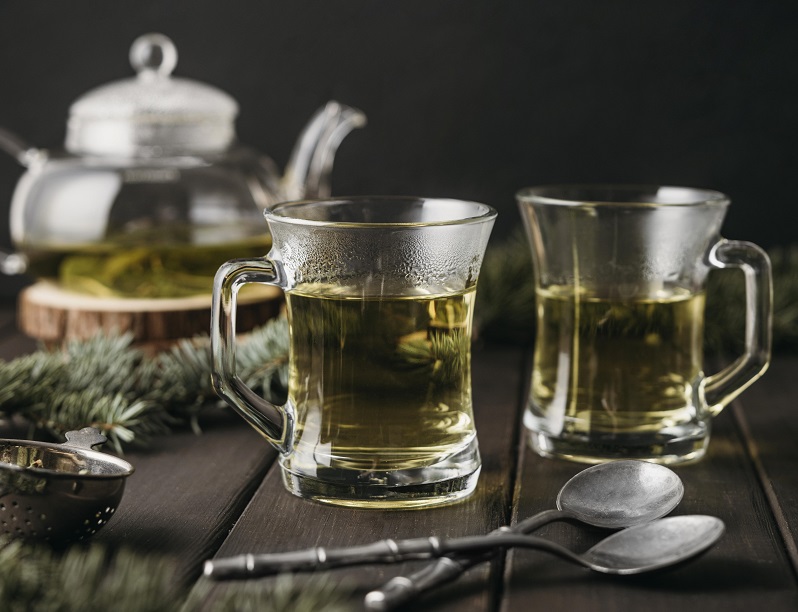
This post is dedicated in quiet memory of a neighbour who loved nature.
- A tisane is a drink made by infusing plant material other than tea leaves in hot water. ↩︎
- Some people’s bodies are more sensitive to herbal compounds. Pine needle tea is generally safe for most adults, but it is not recommended for children, pregnant women, or anyone with known allergies to conifers. People on medication, should consult a healthcare professional before drinking, as pine needle tea may interact with certain drugs. ↩︎


Leave a Reply