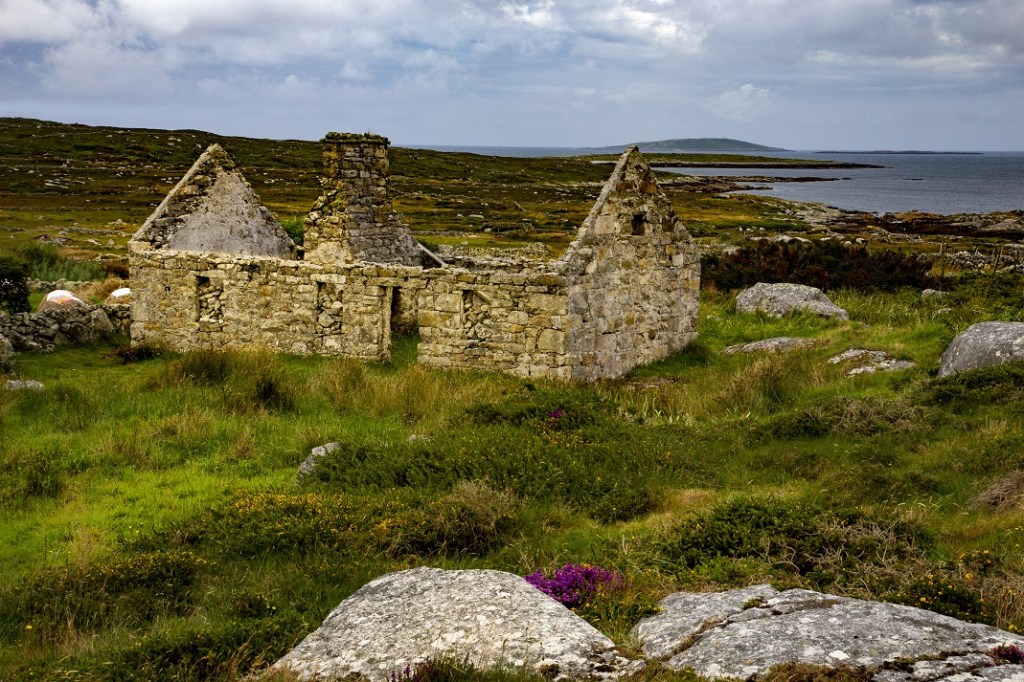
I believe it is time for a revival – not necessarily of all the older ways themselves, but in how we think about the land, and of the knowledge and control we once had over what we eat. Ireland is at a crossroads, and much of what once grounded life here is slipping away. We need to stand up, be counted, and refocus on what truly matters.
We refer to history to understand the present, see what has been lost or endured, and use that knowledge to make better choices for the future. Ireland, like many societies globally, was built on farming. Today, traditional, sustainable practices are under pressure from economic forces, policy decisions (such as the proposed Mercosur agreement1), and global markets, making it harder for farmers to maintain control over what they produce, how they produce it, and how they stay connected to the land. These issues also impact each and every one of us. The way food is grown and how we consume food shapes our health, communities, and environment.
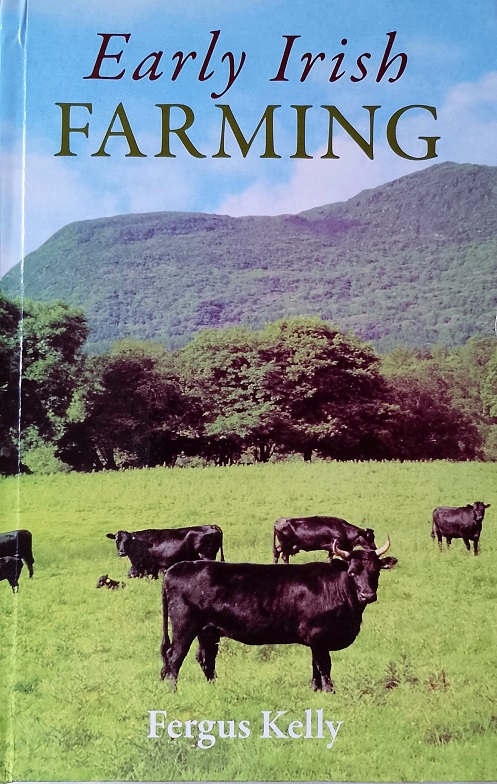
Fergus Kelly’s Early Irish Farming – a study based mainly on seventh- and eight-century law-texts – explores these themes, showing how land, labour, and community were once intertwined in ways that sustained both people and place. The book is a fascinating journey into Ireland’s agrarian past, revealing how central farming was to daily life, community, and survival. Kelly’s careful use of historical records, brings to life the rhythms of planting, harvesting, and tending livestock, giving a real sense of how people once lived in harmony with the land.
Some years back, this book, alongside Kelly’s A Guide to Early Irish Law was listed on a uni reading list. I never got around to reading it at the time but have always wanted to come back to it. It was listed on some websites with astronomical prices but back in November I happened to find a site (you can buy both books here), LawBooks Ireland, with a fair price and the deal was done. What a phenomenal book.
Reading it today, it’s striking to think how vital farming once was – and how much has changed in our beautiful country in such a short space of time. Kelly’s book reminds us of the deep roots we have in the land, and of what is at stake in keeping that connection alive.
Drawing on a wealth of historical, linguistic, and archaeological sources, he reconstructs the farming practices, seasonal cycles, and rural economy of early Irish society with clarity and authority. Kelly ties textual sources to archaeological evidence, offering a tangible sense of daily life, while his precise and accessible style makes the book suitable for both specialists and serious general readers.
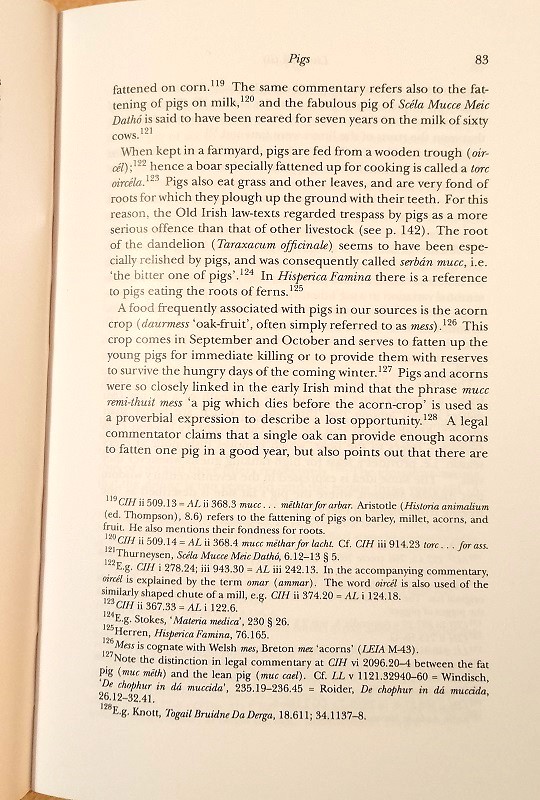
Overall, Early Irish Farming is essential for understanding how agriculture shaped early Irish society. It provides a comprehensive overview and nuanced insight into the rhythms of rural life and is a foundational text for anyone studying Irish history, archaeology, or historical agriculture – or for anyone seeking to revive the knowledge and practices that once grounded daily life and sustained a respectful relationship with the land.
If you live locally to Co. Kildare, we have started a new book club that aligns with the themes and values at the heart of Oak & Oolite. To join, find us on our Facebook group: Oak & Oolite Book Club.
cover image: derelict farmhouse in Co. Mayo
- For those who have not yet opposed the Mercosur agreement can do so by signing petitions on sites such as change.org, and action/wemove.eu ↩︎
- credit: Fergus Kelly. Early Irish Farming. Dublin: Four Courts Press, 1997. ↩︎

Leave a comment