Coffee is one of the world’s most familiar drinks. From early morning routines to afternoon coffee catch-ups, it is woven into daily life across cultures and continents. In Ireland, speciality coffee culture has grown rapidly in recent years, with independent cafés and roasters focusing on quality, traceability, and craft.
Speciality coffee is coffee that is produced, processed, and prepared to a high standard, with a focus on flavour, consistency, and traceability. It is not defined by branding or drink style, but by quality at every stage of production. The process matters because each step, from farm to cup, directly influences how the coffee tastes.
The term emerged in the 1960s and 1970s, when coffee professionals began distinguishing exceptional single-origin coffees from mass-produced blends. This shift reflected a growing interest in recognising coffee for its distinct regional character rather than treating it as a uniform commodity. The phrase “speciality coffee” (or “specialty” in the United States) is widely attributed to Erna Knutsen, a Norwegian-American coffee trader who promoted the idea of high-quality, single-origin coffees with distinctive flavour profiles tied to specific regions.
In the decades that followed, the speciality coffee movement developed further. Organisations such as the Specialty Coffee Association helped establish shared standards for quality, trade practices, and sensory evaluation, including cupping protocols and scoring systems.
Today, speciality coffee is defined by quality, traceability, and careful production from farm to cup, reflecting a system built to identify and preserve exceptional coffees from around the world. This focus on quality and traceability is best understood by looking at the key stages that shape speciality coffee from.
Cultivation: where and how coffee is grown
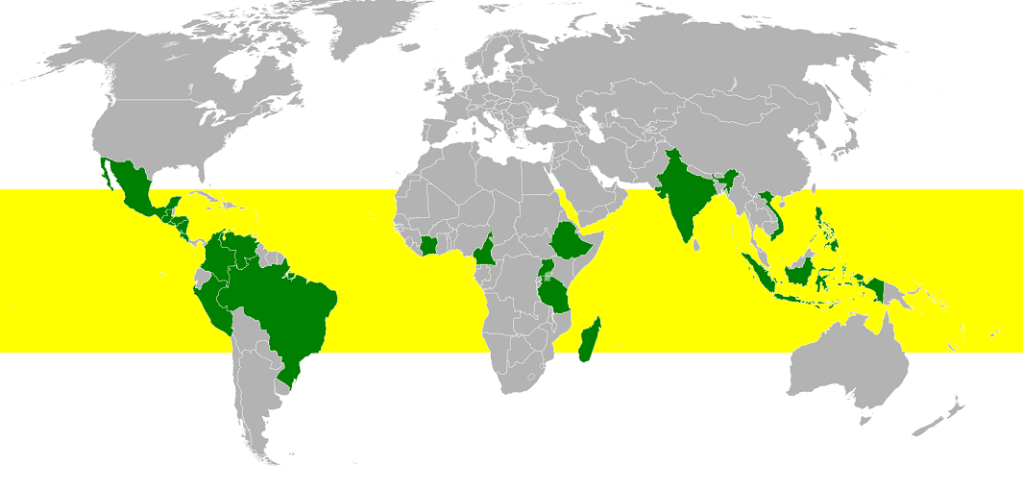
Coffee is grown in regions throughout the world known as the coffee belt, where climate, altitude, and soil conditions support slow, even ripening of the coffee cherry. The three main coffee-growing countries are Brazil, Vietnam, and Colombia. Higher altitudes and stable climates often allow more complex flavours to develop in the bean. Farming practices, such as soil care and plant variety selection, also play an important role in quality.
Harvesting: picking only ripe cherries
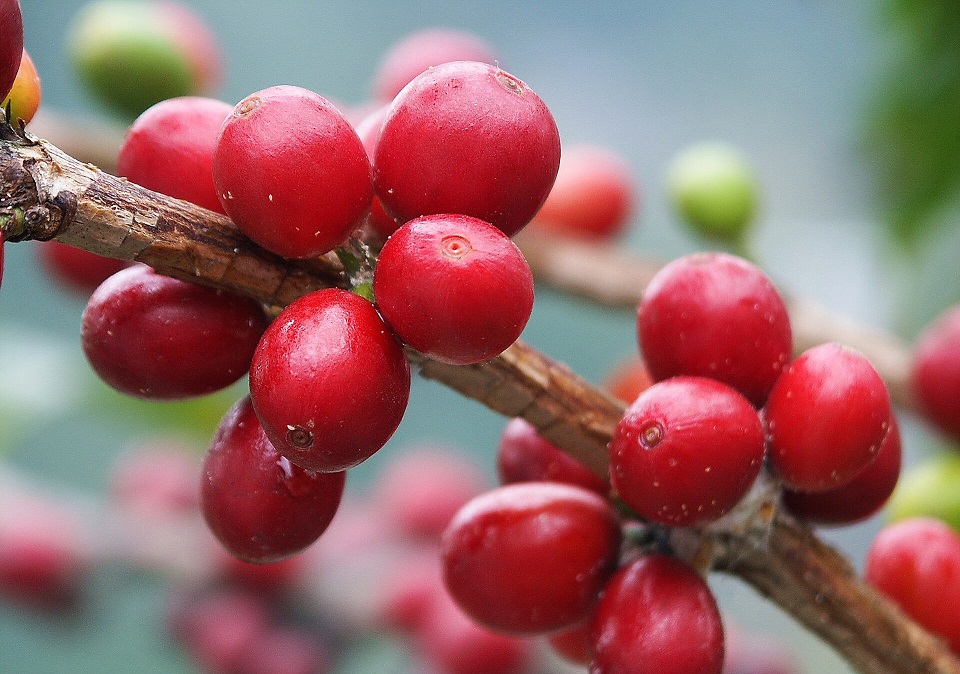
Speciality coffee relies on selective harvesting, where only fully ripe cherries are picked, often by hand. This ensures that each cherry contains the right balance of sugars and acids needed for high-quality flavour. Unripe or overripe cherries are avoided because they can negatively affect the final cup.
Processing methods: washed, natural, and honey
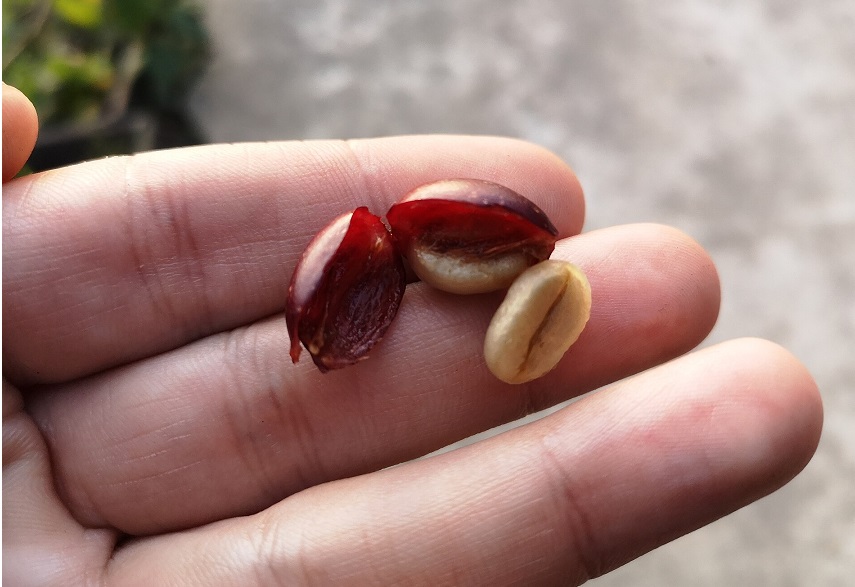
After harvesting, the coffee cherry is processed, or “cracked” to remove the outer fruit and separate the coffee bean. In washed processing, the fruit is removed before drying, producing cleaner and brighter flavours. In natural processing, the cherry is dried with the fruit still attached, often creating sweeter, fruit-forward notes. Honey processing sits between the two, with some fruit left on during drying to balance clarity and sweetness.
Drying and preparation: stabilising the beans after processing
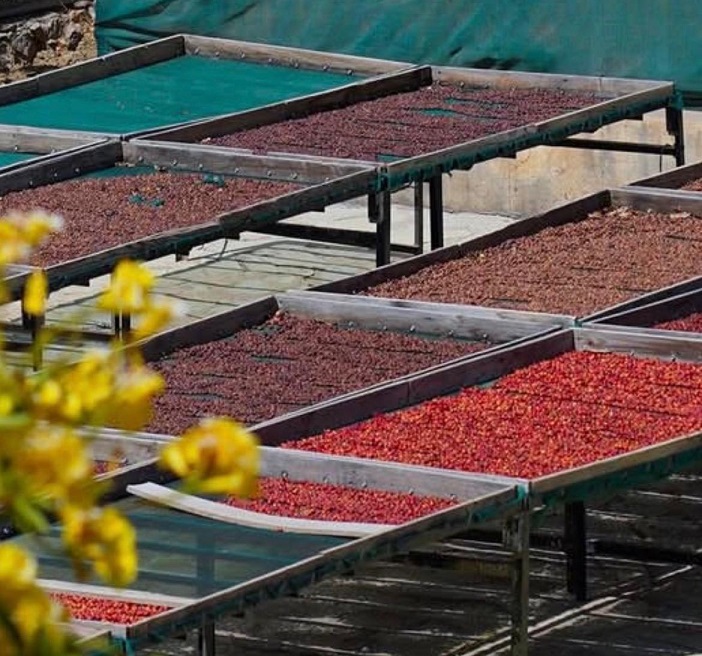
Once processed, the beans must be carefully dried to reduce moisture to a stable level. This is usually done on raised beds or patios, with regular turning to ensure even drying. Proper drying is essential to preserve flavour and prevent defects during storage and transport.
Quality grading: cupping and the 80+ score system
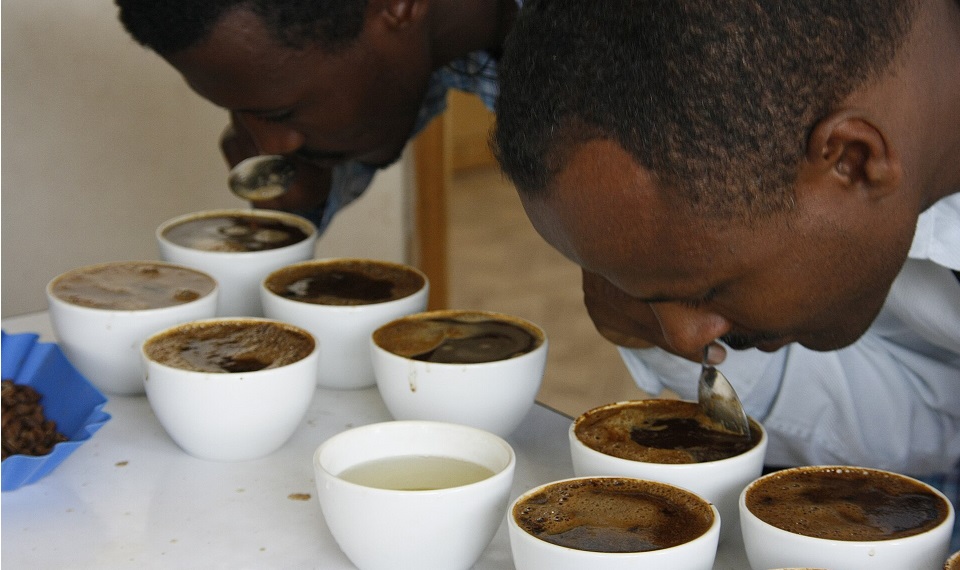
Before coffee is sold, its quality is evaluated through a standardised tasting method used across the industry called cupping. Trained coffee tasters, called “cuppers”, assess aroma, flavour, acidity, body, balance, sweetness, uniformity, clean cup, aftertaste, and overall impression.
Cuppers are used throughout the coffee supply chain – at farms, export companies, importers, and roasters – to determine quality, consistency, and value, and to identify coffees that meet speciality standards. Coffee that scores 80 points or above on a 100-point scale is classified as speciality coffee, indicating a high level of quality and consistency.
Roasting: how flavour is developed and preserved
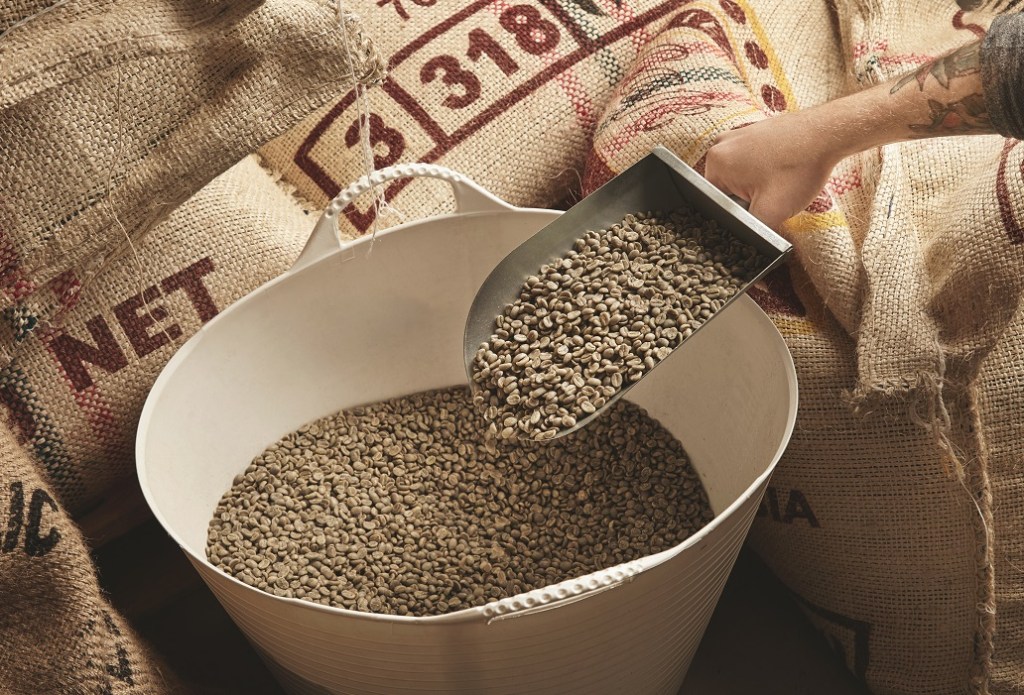
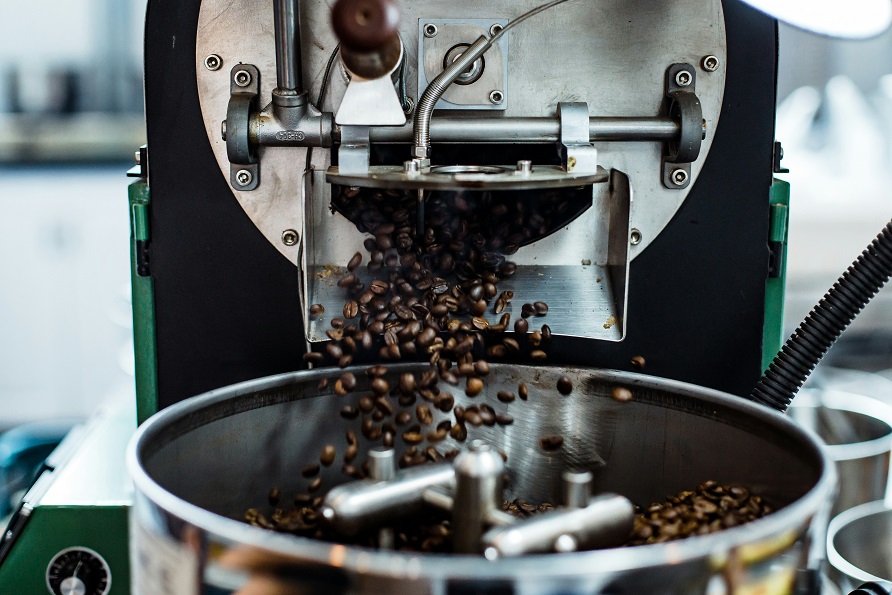
Roasting transforms green coffee into the aromatic beans used for brewing. Skilled roasters carefully control heat and time to develop flavour without masking the coffee’s origin characteristics. Lighter roasts are often used in speciality coffee to highlight natural flavour notes such as fruit, chocolate, or floral tones.
Brewing: how preparation affects the final cup

Brewing is the final stage where all previous work comes together in the cup. Factors such as grind size, water temperature, brew time, and ratio all influence extraction. Careful brewing allows the drinker to experience the coffee’s full flavour potential and origin characteristics.
How all the stages connect to flavour, traceability, and experience
As seen above, speciality coffee is the result of many carefully controlled steps, each contributing to the final flavour and quality. From cultivation and processing to roasting and brewing, every stage adds value and character.

- Bean belt (top 20 coffee producers 2011). Wikimedia Commons. https://commons.wikimedia.org/wiki/File:Bean_belt_(top_20_coffee_producers_2011).svg ↩︎
- Coffee cherries (咖啡果). Wikimedia Commons. https://commons.wikimedia.org/wiki/File:Coffee_cherries_%E5%92%96%E5%95%A1%E6%9E%9C_-_panoramio.jpg ↩︎
- Open coffee cherry. Wikimedia Commons. https://commons.wikimedia.org/wiki/File:Open_coffee_cherry.jpg ↩︎
- Yemeni Coffee Natural Processing. Wikimedia Commons. https://commons.wikimedia.org/wiki/File:Yemeni_Coffee_Natural_Processing.jpg ↩︎
- Fancy a cupper. Wikimedia Commons. https://commons.wikimedia.org/wiki/File:Fancy_a_cupper.jpg ↩︎

.svg)


Leave a Reply