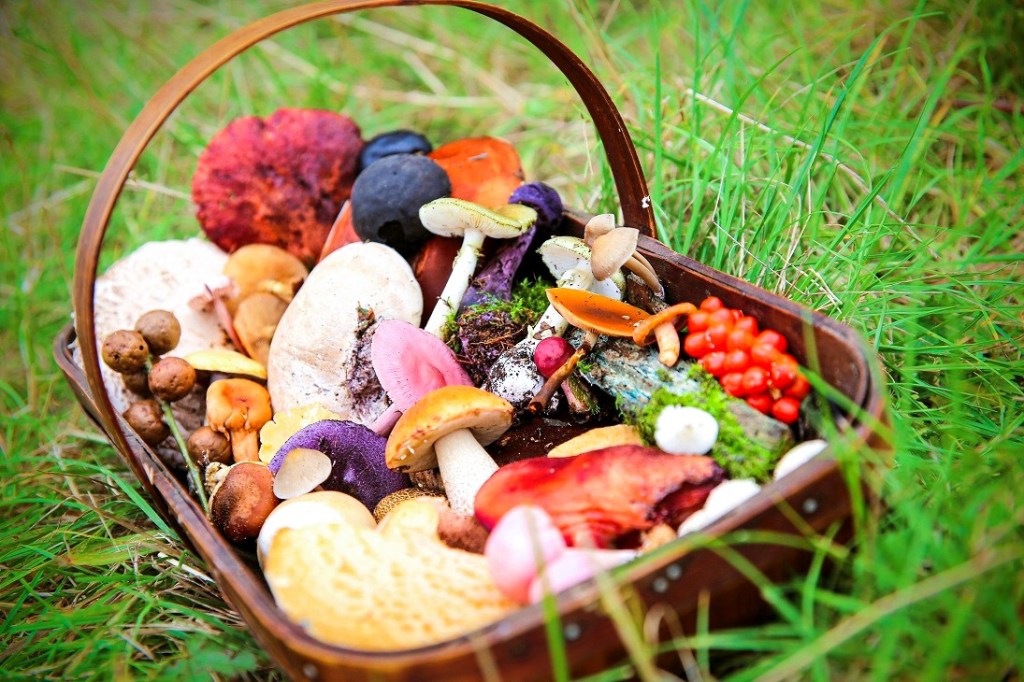
Let’s jump into spring with some foraging! 🌱🌸☀️
I only recently became interested in foraging, as you may have seen when I made acorn tea last autumn. I have a local course lined up for next month, so I’m excited about this new road and learning as I go. Below is a selection of books on wild foods that I’ve found really helpful – guides, cookbooks, and inspirational reads.
Wild and Free: Cooking from Nature – 100 Recipes & Folklore of Nature’s Harvest by Cyril Ó Céirín and Kit Ó Céirín (1st ed. 1978)
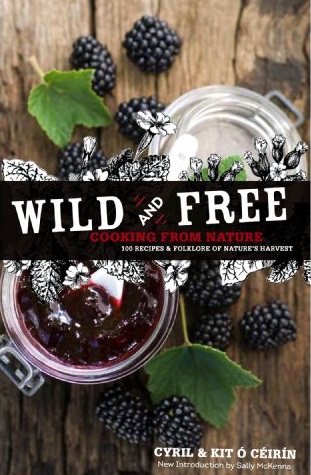
This is a classic foraging book in Ireland, and I love that some of its passages are written in Irish. It includes snippets of folklore, practical guidance on harvesting and preserving wild foods, and recipes from soups to syrups.
Forage: Wild Plants to Gather, Cook and Eat by Liz Knight and illustration by Rachel Pedder-Smith (2021)
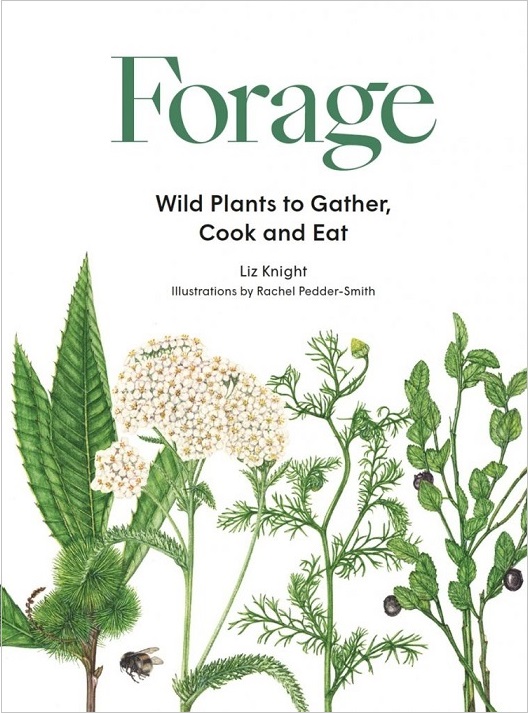
This is such a beautiful book with clear descriptions and lovely illustrations of 50 edible plants from across the world.
Wild Food: A Complete Guide for Foragers by Roger Phillips (2014)
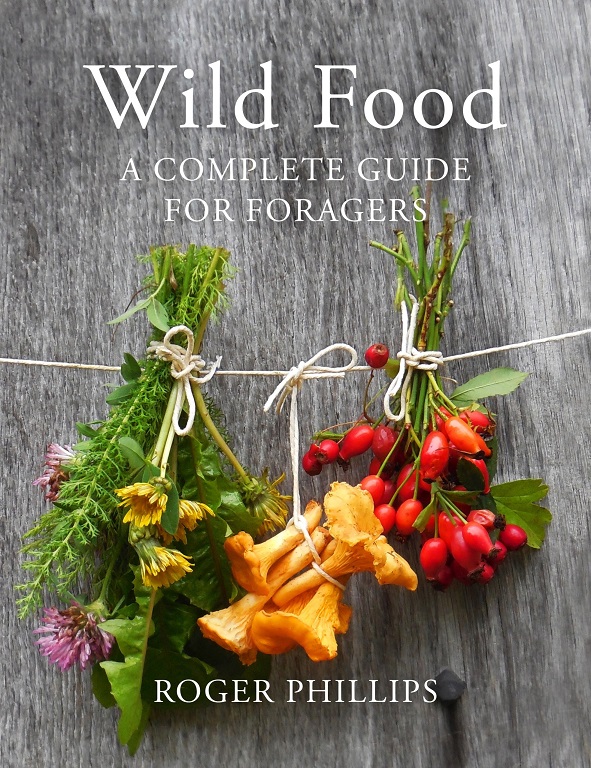
Another beautifully illustrated compendium of hundreds of edible plants and mushrooms, from hedgerows to seashores. Tips on wild food identification and lots of recipes to try.
The Forager’s Calendar: A Seasonal Guide to Nature’s Wild Harvest by John Wright (2020)
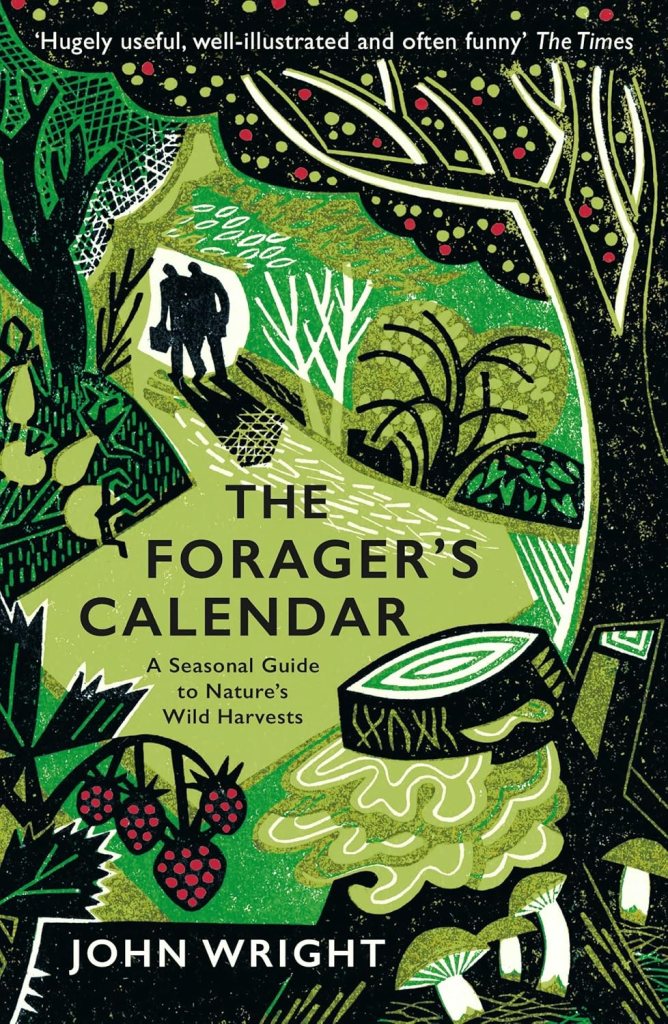
This was the first foraging book I bought when I began to become interested in wild foods. The Forager’s Calendar is an ideal starting point for anyone beginning their foraging journey. It has a month-by-month structure, with plenty of photos, and gives a clear introduction to seasonal availability. Alongside practical advice, there are snippets of folklore, seasonal recipes, and natural history, making it a pleasure to read and return to.
The Forager Handbook: A Guide to the Edible Plants of Britain by Miles Irving (2009)
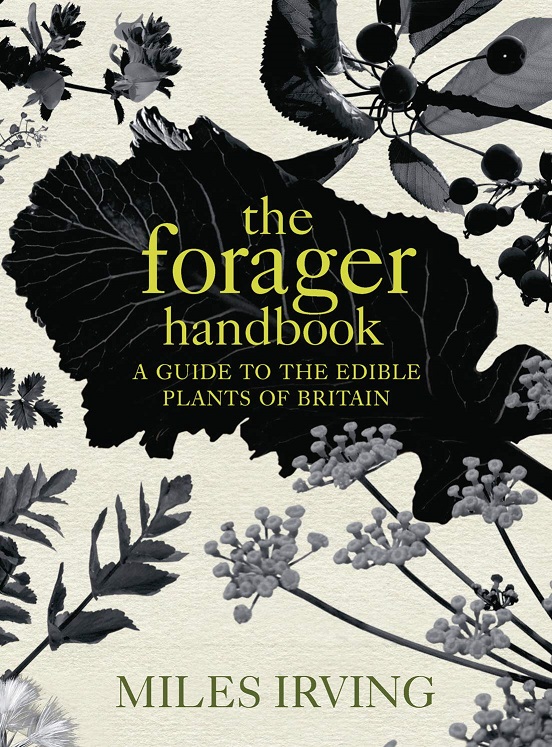
Miles Irving’s book is regarded as one of the most well-known and respected foraging guides – an essential resource for both beginner and experienced foragers. It’s a practical and comprehensive guide to identifying, harvesting, and using over 200 edible British (and Irish) plants.
Forest Fungi in Ireland by Paul Dowding and Louis Smith (2008)
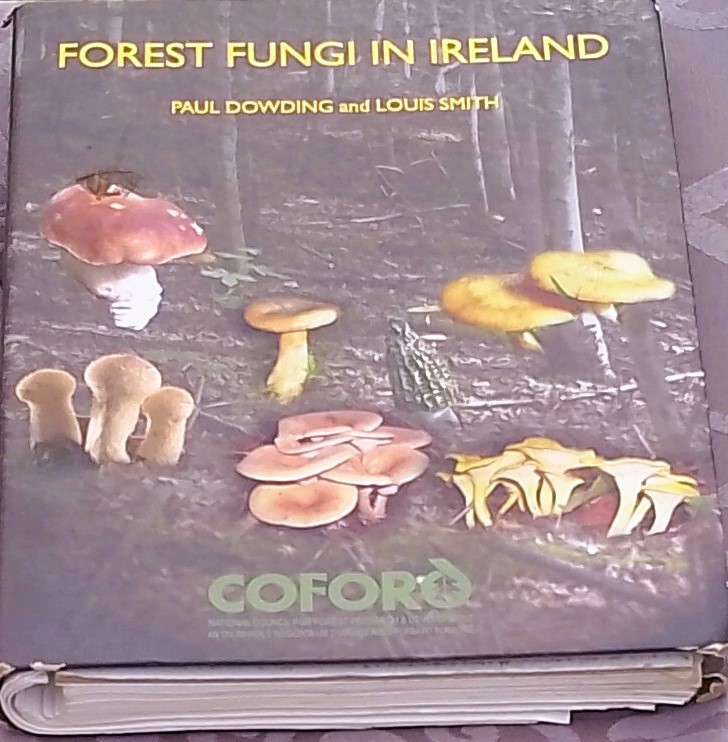
Julie of Wild Ways Nature Education recommended this book, along with a few others on this page that I have added. The book is available for free as a pdf, along with many others, on the The COFORD Council1 website.
Wild Food UK Mushroom Foraging Guide by Marlow Renton (2023)
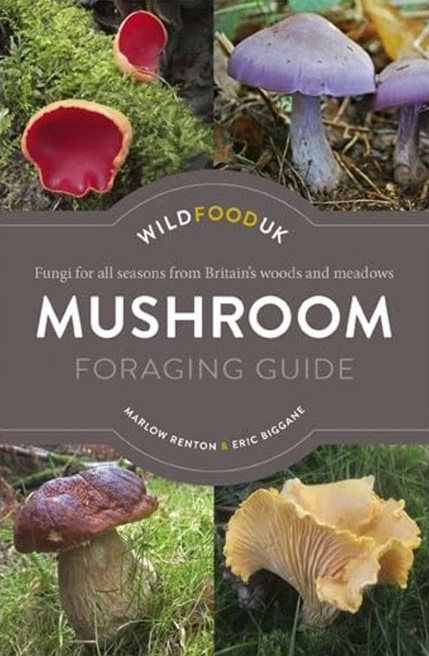
My introduction to foraging was online, having arrived via Barbara O’Neill’s (an Australian naturopath) and Foraged by Fern‘s Facebook reels. After their content piqued my interest, I started searching YouTube for foraging information and discovered the Wild Food in the UK channel. In his foraging beginner’s series , Marlow recommends a number of books, including his own. This book is excellent – there’s clear identification and pictures for each mushroom.
Wild Fermentation: The Flavour, Nutrition, and Craft of Live-Culture Foods by Sandor Ellix Katz (2016)
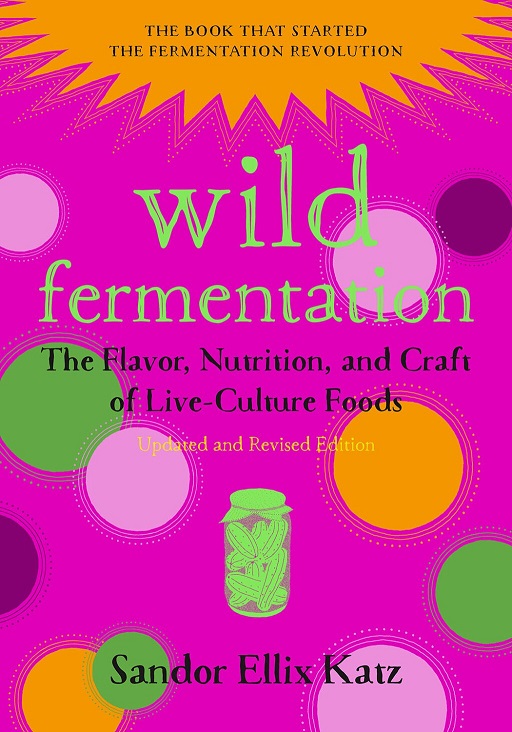
I haven’t tackled any of the recipes yet but Katz’s book is one of the best I’ve seen – a guide to the art and science of fermenting foods at home, offering step-by-step instructions alongside rich cultural and historical context. For both beginners and experienced cooks to explore the flavours and health benefits of live-culture foods such as sauerkraut, kimchi, kombucha.
The Cultured Club: Fabulous, Funky Fermentation Recipes by Dearbhla Reynolds (2016)
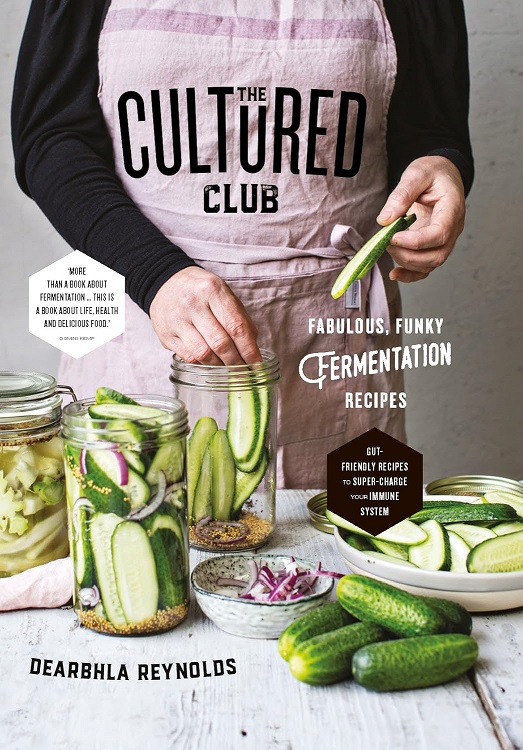
I had never even considered the idea of fermentation until I attended the Food as Medicine talk hosted by Darina Allen and others at the Samhain Festival last November. Dearbhla’s book offers a vibrant collection of accessible fermentation recipes from tangy pickles to cultured drinks, encouraging experimentation with live‑culture foods.
Eat Your Weeds! by Julie Bruton-Seal and Matthew Seal (2022)
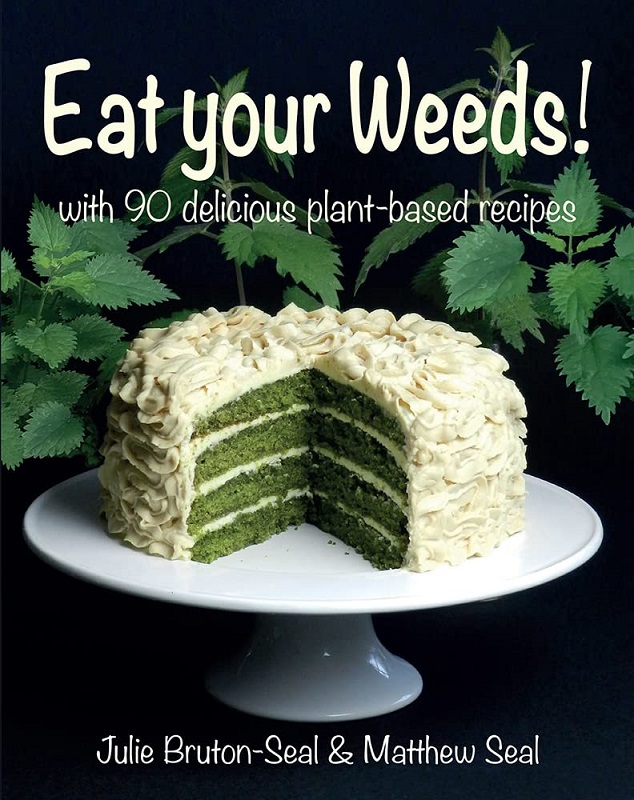
This is an engaging guide to identifying and using common wild plants, blending folklore, herbal knowledge, and practical recipes. It encourages a fresh perspective on everyday weeds, showing how they can be both nourishing and flavourful. Julie and Matthew have a selection of really good books (see another below).
Wild and Sweet: Forage & Make 101 Seasonal Desserts by Rachel Lambert (2022)
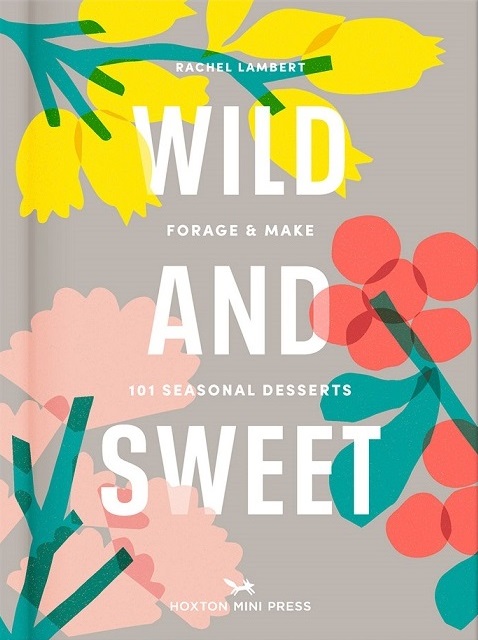
Wild and Sweet must be one of a handful of wild food recipe books specifically dealing with desserts and treats. I found this via Rachel’s blog – which I would also recommend. Based in the South West coast of England, I defy you to fall in love with both the landscape and this beautiful book.
Wild Drinks & Cocktails: Handcrafted Squashes, Shrubs, Switchels, Tonics, and Infusions to Mix at Home by Emily Han (2015)
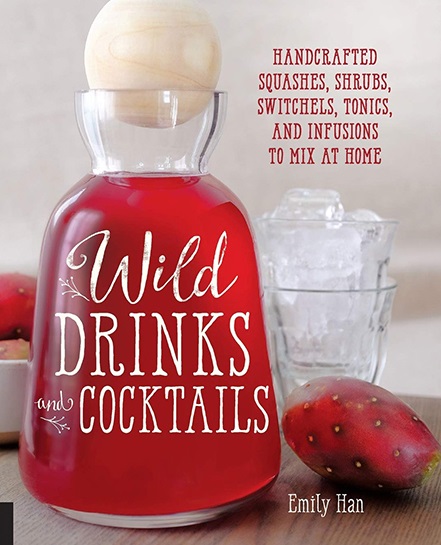
California-based Emily Han has some lovely books available on wild foods. Wild Drinks and Cocktails explores creative ways to use foraged and seasonal ingredients in homemade drinks. It offers a range of recipes that bring botanical flavours into both non-alcoholic and cocktail-style preparations.
Herbal Remedies: A Practical Beginner’s Guide to Making Effective Remedies in the Kitchen by Christopher Hedley (1998)
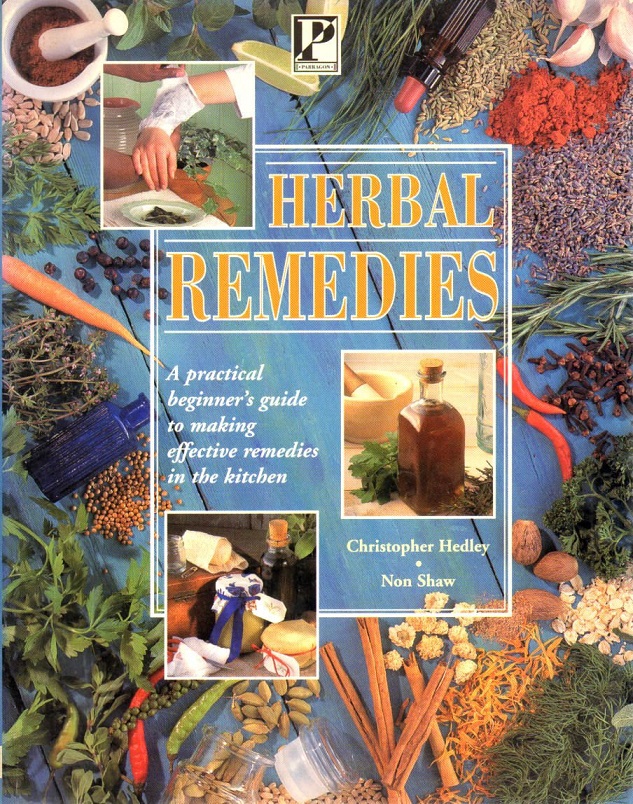
This is another book suggested by Julie – it’s a straightforward but comprehensive introduction to creating herbal preparations using everyday ingredients. It focuses on practical methods, making traditional remedies accessible for use at home.
Hedgerow Medicine: Harvest and Make Your Own Herbal Remedies by Julie Bruton-Seal and Matthew Seal
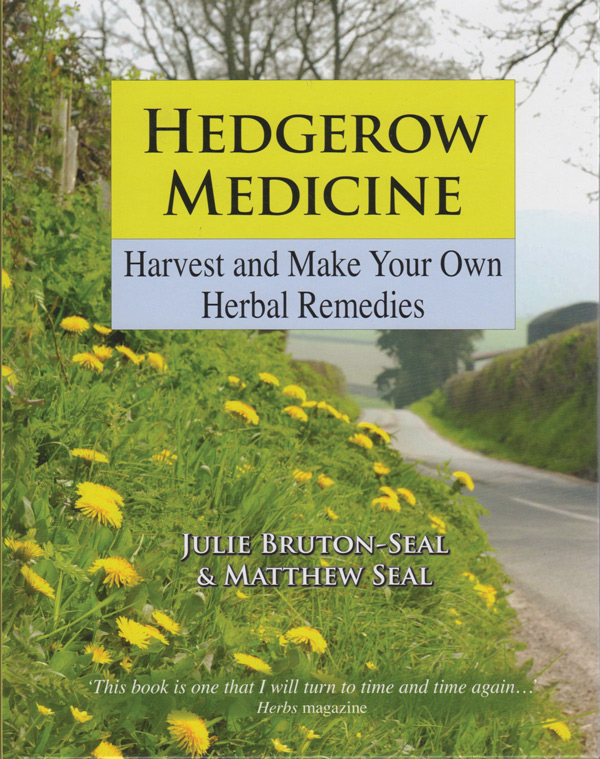
This is another fantastic guide to identifying, harvesting, and preparing common hedgerow plants for natural remedies. It combines traditional knowledge with clear instructions, making herbal medicine approachable for everyday use.
Foraging with Kids: 52 Wild and Free Edibles to Enjoy with Your Children by Adele Nozedar (2018)
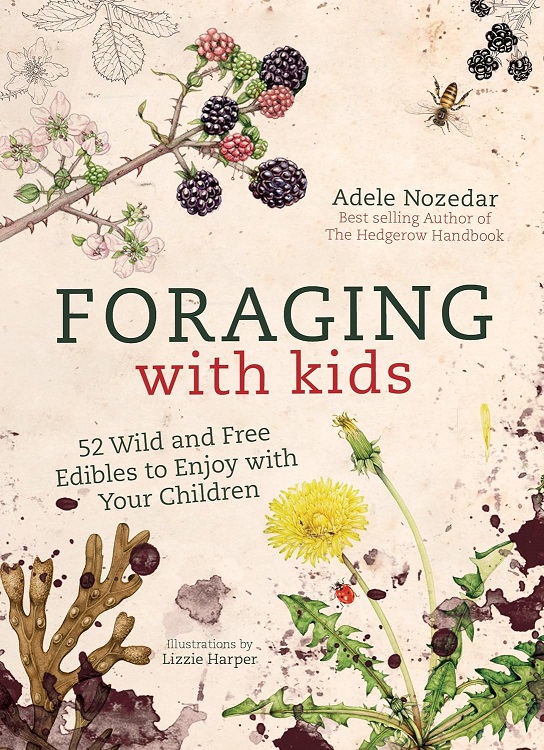
This is such a lovely book and one of the very few aimed at children. My only bugbear is that the illustrations aren’t in colour, but perhaps that could be an opportunity for the little ones to get creative!
- COFORD Council: a body appointed by the Minister for Agriculture, Food and the Marine to advise the Minister and his Department on issues related to the development of the forest sector in Ireland. ↩︎

Leave a comment