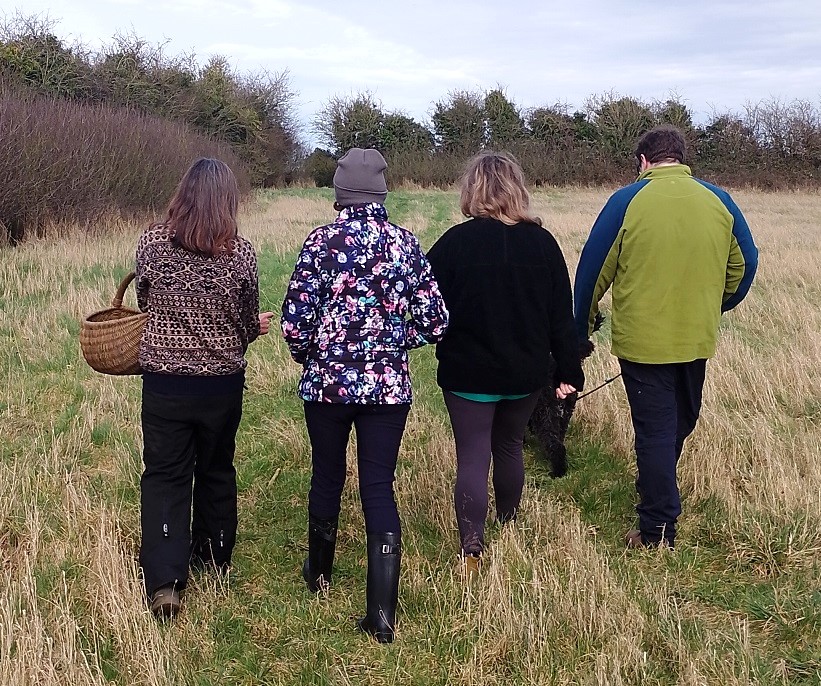
Tomorrow, the 22nd April, is Earth Day, and it centres on a simple idea: that people are part of the land, not separate from it. So, I thought this would be the perfect time to highlight wild food foraging.
Foraging puts people back into direct relationship with the land. It encourages awareness of seasonal growth, respect for ecosystems, and careful use of natural resources. Rather than seeing the environment as something separate, foraging makes it clear that food, landscape, and human activity are all connected.
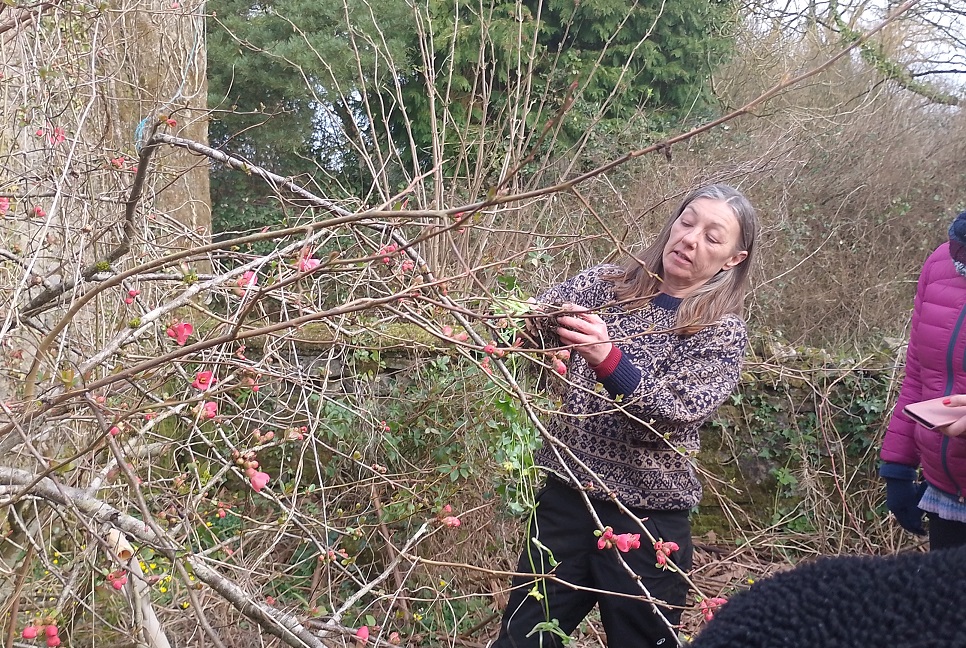
Collecting wild foods is something I only recently got in to, as you may have seen when I made acorn tea last autumn and in March’s post on Oak & Oolite’s Favourite Foraging Books. I thought it might be a good idea to get a practical introduction to foraging and so last month, I attended a foraging workshop at Cúl Bán Organic Farm in Monasterevin, Co. Kildare, with Wild Ways Nature Education, run by Julie.
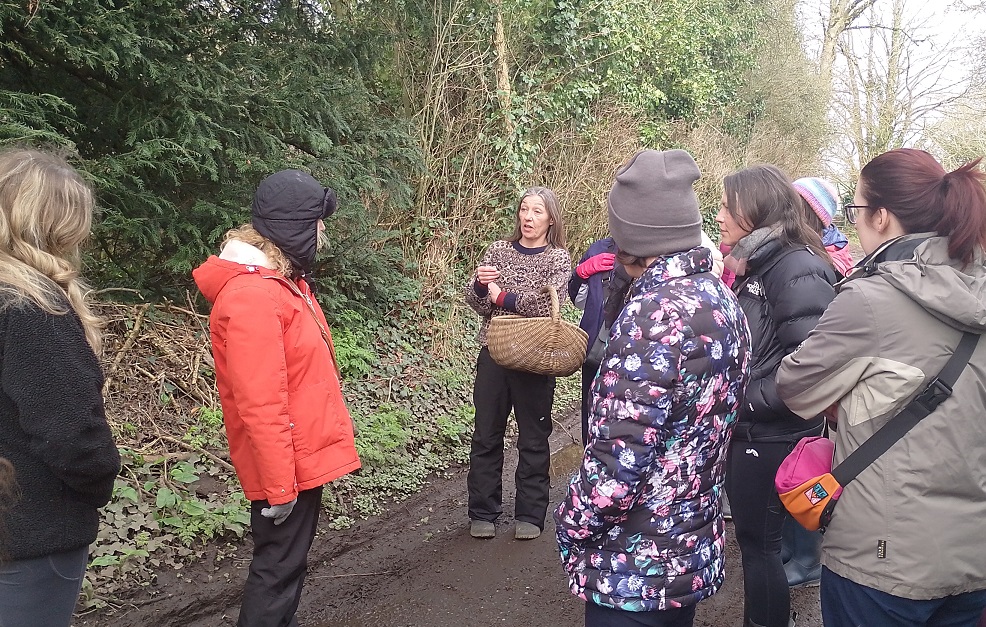
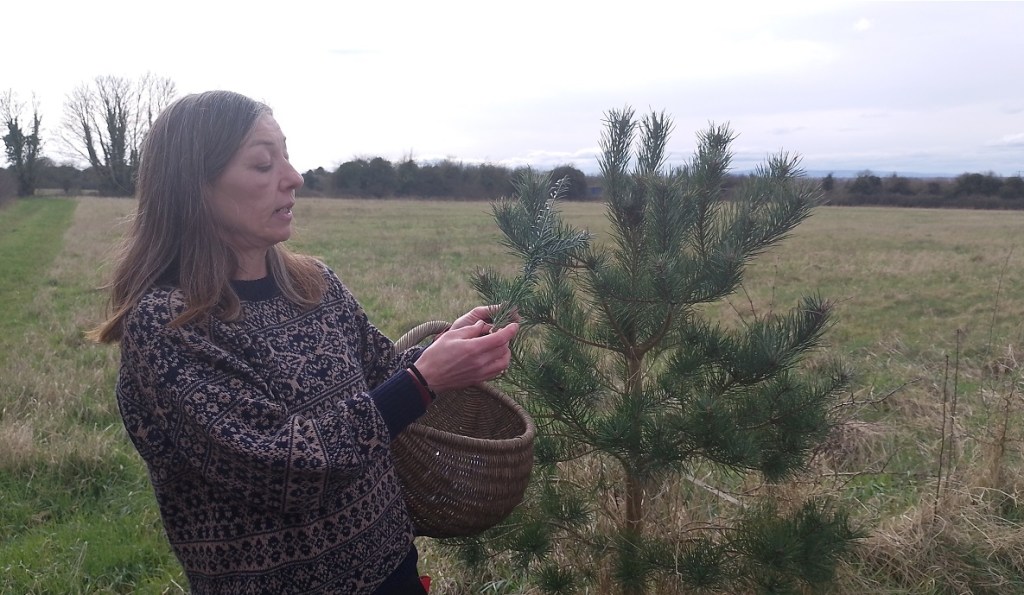
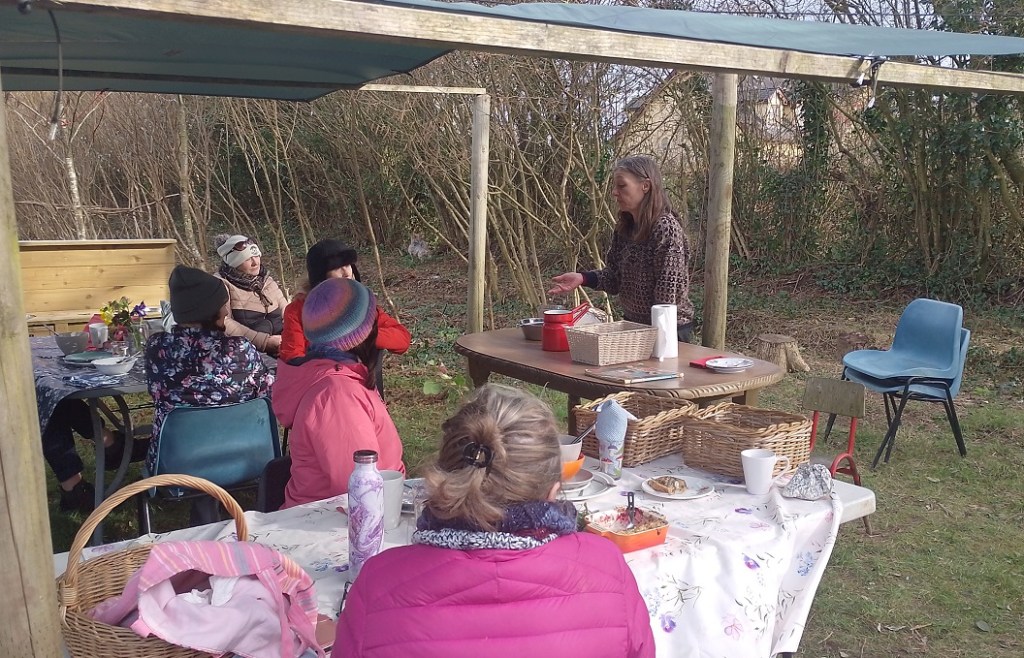
We had some light refreshments and settled into the land and the group before setting off on the walk around the farm. We walked through fields, and passed hedgerows and trees learning how to identify edible plants and fungi that grow naturally in the landscape.
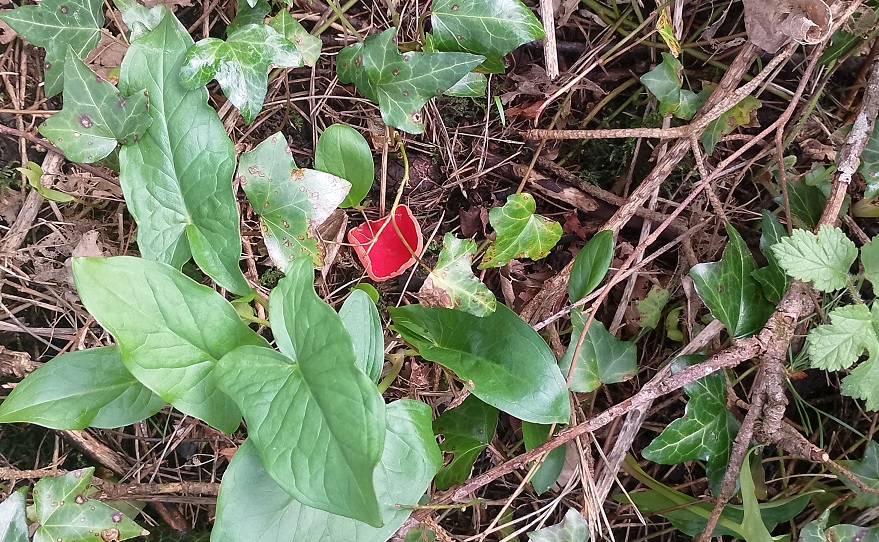
Julie showed us how to recognise key features, understand seasonal availability, and distinguish safe species from harmful lookalikes. Along the way we tasted small samples, learned some traditional and historical uses, and heard how these foods were once part of everyday life.
Before finishing off the workshop with a demonstration on balm making, we sat down to a three-course meal of wild foods. I will not ruin the surprise for anyone who decides to attend Julie’s workshop and list what was served, but oh my, it was delicious!
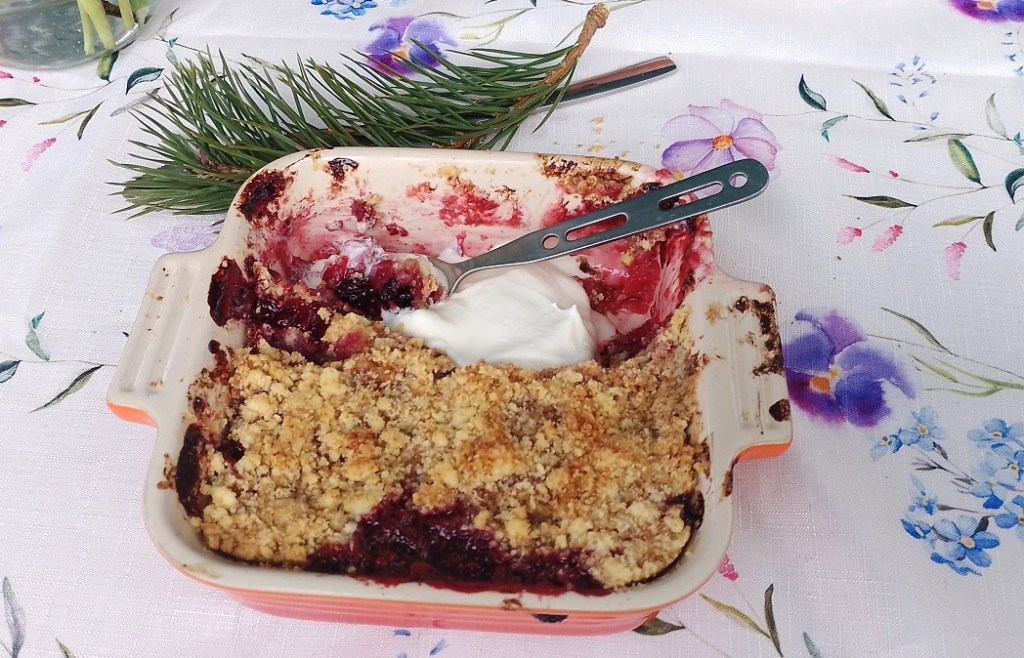
As someone with coeliac disease, I was also delighted to be able to enjoy a full meal out with others and share the experience without concern. That sense of inclusion is not always common when eating outside the home, so it made the day feel even more considered and welcoming1.
In recent years, food production in Ireland and across Europe has changed, with smaller farms and local agriculture in decline for a range of reasons, including environmental and economic pressures, and governmental decisions. At the same time, global supply chains have shown how fragile fuel and food systems can be.
Reconnecting with the land feels increasingly important. Wild food foraging is one way of doing that. It does not replace agriculture, but it encourages awareness of seasonality, place, and what is already growing around us. It is a reminder that food is not only produced, but also found, and that attention to the natural world still has a role in how we think about what we eat.
If you are new to foraging or simply fancy a day out in nature, this workshop with Julie, can be a starting point. She explains calmly and thoroughly throughout the day and is a fountain of foraging knowledge.
Julie runs workshops from Spring to Autumn – her next one is on the 26th of April from 12-4pm, so it may not be too late to book. I hope you enjoy!
- Remember to let Julie know of your allergies or intolerances and she will advise from there. ↩︎

Leave a Reply